• Posted on

Buy Unique Handcrafted Home Decor Online: 2026 Guide

Buy Unique Handcrafted Home Decor Online: 2026 Guide

Table of Contents

Last Updated: October 4, 2026

Why Buy Unique Handcrafted Home Decor Online in 2026

When you buy unique handcrafted home decor online, you are choosing a piece with a story, not a stamped-out copy. At Mercury & Bloom, we built our entire shop around that idea: a hand-hooked wool pillow, a beaded glass jar, a repurposed ceramic bottle, each one made by a person rather than a machine. The Federal Trade Commission's guidance on "Made in USA" and origin claims matters here too, because honest labeling is what separates real artisan work from marketing copy.

Handmade Beaded Glass Jars/Candles: Authentic Mexican Artistry for Your Home

What to Look for Before You Add to Cart

Start with the maker, not the photo. A listing that names the artisan, the technique, or the region tells you more than any styled image.

  • Maker transparency: Who made it, and where?
  • Materials: Wool, ceramic, glass, natural fibers beat mystery blends.
  • Dimensions: A 8x12-inch pillow and a 16x16-inch pillow read very differently in a room.
Pro Tip Zoom into product photos before you buy. On genuinely handmade pieces, you will usually see tiny variations in bead placement, brushstrokes, or stitching. Perfectly identical items across a whole catalog are a warning sign.

The Benefits of Buying Handcrafted Decor Over Mass-Produced Pieces

Handcrafted decor brings qualities factory production cannot copy, and each piece carries small irregularities that make it yours alone.

Small-Batch Craftsmanship and Natural Materials

Small-batch work means fewer units and more attention per unit: you are paying for time, skill, and materials rather than volume. Natural materials age with character: wool holds its shape and softens with use, while ceramic and glass resist trends for years. Limited runs also mean you are less likely to see the exact same piece on a friend's shelf.

How to Spot Authentic Artisan Home Accessories Online

Authenticity is hard to judge from a screen, so use a checklist instead of a gut feeling.

Signs a Piece Is Genuinely Handmade

Look for evidence a human was involved at every stage.

  • Named makers or studios: Real artisan home accessories credit the people behind them.
  • Technique described: "Hand-hooked wool," "hand-painted," "hand-beaded" tells you how it was made.
  • Honest disclaimers: "Colors may vary from the photo" is a good sign, not a bad one.

If a listing is vague about origin and process, treat that as your answer. The Better Business Bureau's tips on avoiding online shopping scams apply directly here: verify the seller, read the fine print, and check the return terms before you pay.

Watch Out A listing that shows the same "handmade" item in ten perfect colorways, with no maker named and no care instructions, is usually a reseller, not an artisan. You will pay handmade prices for a mass-produced product.

Our Curated Picks for Unique Handcrafted Home Decor

Every piece below is one we chose ourselves, and each solves a different decorating problem.

Piece Price Made From Best For
Handmade Beaded Glass Jars and Candles $40 Beaded glass, soy candle Gifting, shelf styling
Handpainted Clase Azul Olive Oil Dispenser $65 Repurposed ceramic, gold-plated pourer Kitchen counters
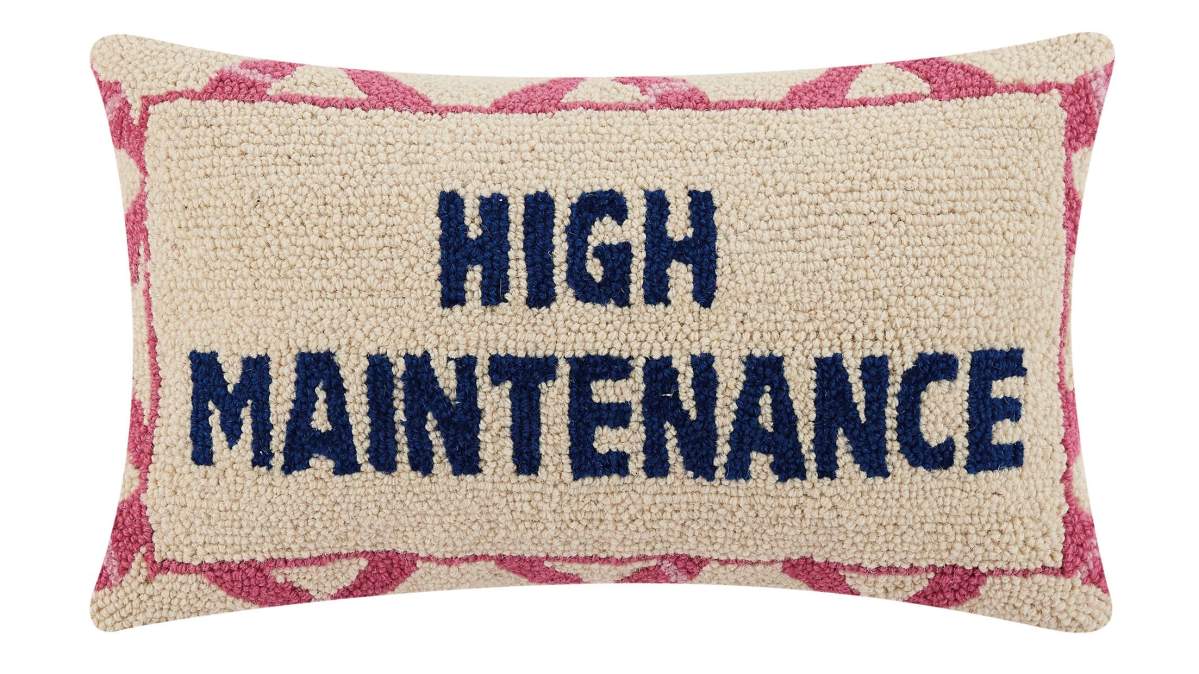
Hook Pillows (High Maintenance, Pickle Baller, Mahj Dragon, Chill Pill) $35-$75 100% wool, velvet backing Sofas, beds, reading nooks
Ceramic Mahjong Tray $30 Ceramic Nightstands, entryway catch-all
High Maintenance Hook Pillow

Handmade Beaded Glass Jars and Candles ($40)

This is the piece we recommend most often as a gift. Each jar is adorned with intricate beadwork by Mexican artisans, and because every one is made by hand, colors and styles vary slightly from the photos. You choose your primary color at checkout, and it works as a candy jar, candle holder, or shelf accent.

Handpainted Class Azul 750ml Olive Oil Dispenser Handpanted Clase Azul Olive Oil Dispenser
High Maintenance Hook Pillow

Handpainted Clase Azul Olive Oil Dispenser ($65)

A repurposed Clase Azul Reposado ceramic bottle, hand-painted in Mexico and fitted with a gold stainless steel pourer with an auto-flip spout. It holds 750 ml, the right size for regular cooking without constant refills. It earns its counter space twice: it pours olive oil or vinegar cleanly, and it looks like a gallery piece.

Hook Pillows: High Maintenance, Pickle Baller, Mahj Dragon, and More ($35-$75)

These are 100% wool hooked pillows with velvet backing, a polyester insert, and a zipper closure, so the cover comes off when needed. Sizes run from the 8x12-inch Pickle Baller and Mahj Dragon up to the 16x16-inch Dot Bam Crack. The High Maintenance pillow is the funniest thing on our shelves, and the Mahjong designs nod to anyone who plays.

Ceramic Mahjong Tray ($30)

At 6.5 x 4.5 inches, this piece fixes the clutter problem. It holds rings, keys, and small trinkets by the door or on a nightstand, and the Mahjong motif gives it enough personality to sit out in the open.

Best For Anyone building a shelf or sofa arrangement who wants a few pieces that feel collected over time rather than bought in one trip.

Sustainable and Eco-Friendly Materials in Handcrafted Decor

Most articles on handmade decor say the same three things: buy natural materials, support small makers, avoid plastic. That advice does not help you compare two listings that both claim to be sustainable. What follows is a practical framework for any product page, plus the material trade-offs that matter.

A Four-Question Sourcing Framework

Try to answer these four questions from the listing alone. If the seller cannot answer two or more, treat the sustainability claim as marketing.

  1. What is the material, specifically? "Natural fibers" is not an answer. Wool, jute, linen, cotton, clay, glass, and unlacquered brass are. Blended or coated materials are harder to repair and harder to recycle.
  2. Where did it come from, and who made it? A named studio or region is a good sign. A vague "imported" label with no maker is not. The Federal Trade Commission's guidance on "Made in USA" and origin claims explains why origin language is regulated and why vague claims should raise a flag.
  3. How is it finished? Natural oils, waxes, and water-based sealers age gracefully and can be refreshed. Heavy polyurethane and epoxy finishes are durable but usually mean the piece cannot be refinished at home.
  4. What happens at end of life? Can the cover be removed and washed? Can the ceramic be repotted, reused, or composted if broken? A piece with a second life is more sustainable than one with a single use.
Key Takeaway Sustainability in decor is less about a label and more about lifespan. A wool pillow you keep for ten years beats a "green" polyester pillow you replace every eighteen months, every time.

Material Trade-Offs Worth Knowing

Every natural material has a weakness. Knowing it helps you pick the right piece for the right room.

Shop Now →

  • Wool: Renewable, durable, and naturally flame-resistant. It can pill and it felts if washed in hot water, so spot-clean and air it instead.
  • Jute and sisal: Fast-growing and biodegradable, but they shed and degrade in damp rooms. Best for dry, low-traffic areas.
  • Clay and ceramic: Made from abundant minerals and fully inert once fired. Breakage is the main risk, so a stable shelf beats a high-traffic edge.

How to Read a Sustainability Claim

A few patterns separate real sourcing transparency from greenwashing:

  • Specifics over adjectives. "Hand-dyed with plant-based indigo in small batches" tells you more than "eco-friendly."
  • Named suppliers or regions. A maker who names their wool mill or clay source is usually telling the truth about the rest.
  • Willingness to answer questions. Ask where the material came from and how to care for it. A clear, specific reply is the strongest signal you will get online.

Lowering the Footprint of the Purchase Itself

Materials are only part of the equation. Buying from a small studio rather than a drop-shipper shortens the route and reduces packaging, grouping items into one order cuts boxes and trips, and choosing pieces that can be repaired or repurposed keeps them out of the waste stream far longer than any single-use swap.

Interior Styling Tips for One-of-a-Kind Home Accents

Styling handmade pieces is about grouping, not scattering. Pick three to five items with a shared color thread and vary their heights so the eye moves; a beaded jar next to a ceramic tray next to a wool pillow reads as intentional, while the same items spread across five rooms read as clutter.

Caring for Your Handcrafted Pieces So They Last

Handmade pieces reward a little attention, but the right routine depends on the material. Below is a material-by-material guide, plus the storage and repair habits that separate a piece you keep for a season from one you keep for a decade.

Wool and Hooked Textiles

Wool is durable but sensitive to heat, agitation, and moisture.

  • Spot-clean first. Blot spills with a clean cloth and cool water. Do not rub, which can distort the loops.
  • Air, do not machine-wash. Hang the piece in shade for a few hours. Direct sun can fade dyed wool.
  • Use the zipper. Remove the insert before cleaning so the wool does not stretch.

Ceramic, Pottery, and Glazed Pieces

Fired clay is inert and long-lived, but glazes and painted finishes are not indestructible.

  • Hand wash with mild soap. Dishwashers and sudden temperature changes can craze a glaze or lift a painted design.
  • Avoid thermal shock. Do not pour boiling liquid into a cold piece or move it from freezer to oven.
  • Cushion the base. A felt pad under a tray or vase prevents scratches on wood and reduces chips.

Glass and Beaded Work

Beaded glass is decorative first, functional second.

  • Dust with a soft brush. A dry makeup brush reaches between beads without snagging thread.
  • Keep out of harsh, direct sun. UV exposure fades dyed beads and can weaken adhesives.
  • Do not soak. Water can loosen knots and dull painted or metallic beads.

Metal, Brass, and Copper

Unlacquered metals are meant to patina, which is part of their appeal.

  • Let the patina develop, or polish it back. A soft cloth and gentle metal polish restore shine; leaving it alone lets the surface darken.
  • Keep acidic foods off the surface. Olive oil, vinegar, and citrus can etch or discolor metal pourers and trays.
  • Dry immediately after washing. Water spots are the most common complaint on brass and copper.

Wood and Natural Fiber

  • Re-oil occasionally. A food-safe oil or wax every few months keeps wood from drying and cracking.
  • Keep away from direct heat. Radiators and sunny windowsills dry wood fastest.
  • Vacuum jute and sisal gently. A brush attachment removes dust without pulling fibers.

Storage Between Seasons

How you store a piece matters as much as how you clean it.

  • Wrap, do not stack. Beadwork, painted finishes, and glazes can rub against each other and chip or dull.
  • Use acid-free tissue or clean cotton. Newspaper ink can transfer to textiles and unfinished wood.
  • Label the box. A quick note on what is inside saves digging next season.

Small Repairs You Can Do Yourself

  • Loose bead or button: reattach with matching thread and a knot on the inside.
  • Small chip on unglazed clay: sand the edge lightly to prevent snagging, then seal with food-safe wax if the piece touches food.
  • Wobbly base: a small adhesive felt pad restores stability.
Watch Out If a piece has a crack that runs through the body, not just the glaze, stop using it for food or water. Cracks can harbor bacteria and will worsen with temperature changes. Retire it as a decorative object instead.

None of this takes long, and it is the difference between a piece that lasts a season and one you keep for years. When in doubt, ask the maker: good studios will tell you exactly how they care for their own work.

Frequently Asked Questions

What are the best websites for buying unique home decor?

The best sites for handcrafted home decor are curated small-batch shops that vet their makers and show real product photos. Look for sites that name the artisans, list materials like wool or ceramic, and offer clear return policies. Mercury & Bloom, for example, curates pieces from Mexican artisans, including beaded glass jars and hand-painted dispensers, so you know exactly what you are getting.

How can I verify the quality of handcrafted decor online?

Check for close-up photos showing texture and stitching, read the materials list (100% wool, ceramic, glass), and look for notes about natural variation. A trustworthy shop will state that colors and styles may vary because each piece is handmade. Also confirm the return policy before buying. If a listing uses vague terms like 'artisanal style' without naming materials or makers, treat it with caution.

What are the benefits of buying handcrafted decor?

Handcrafted decor gives you a one-of-a-kind piece instead of a mass-produced copy. You support local makers and traditional techniques, and you often get better materials like 100% wool or hand-painted ceramic. Small-batch production also means less waste than factory runs. Many shoppers find that handmade pieces add warmth and character that factory decor cannot match, and they make thoughtful gifts.

Are handcrafted home accessories sustainable?

Many are, especially when they use natural materials like wool, ceramic, and glass, and when makers produce in small batches. Repurposed items, such as a hand-painted olive oil dispenser made from a repurposed ceramic bottle, keep materials in use longer. To judge sustainability, look for material details and production notes. Avoid vague 'eco-friendly' claims that do not name the material or the maker.

How do I style one-of-a-kind home accents without cluttering my space?

Pick two or three focal pieces and let them breathe. Group a beaded glass jar with a ceramic tray on a console, or place a single hook pillow on a neutral sofa. Keep the rest of the room simple so the handmade details stand out. Mix textures like wool, ceramic, and glass for depth, but stick to a consistent color palette so the pieces feel collected, not chaotic.

Read Also

See all News
Best Sustainable Home Decor Brands 2026
  • Posted on
Best Sustainable Home Decor Brands 2026
Discover the best sustainable home decor brands for 2026. Shop handmade, eco-friendly pieces with ethical sourcing and natural materials.
7 Creative Mahjong Party Favors for Guests
  • Posted on
7 Creative Mahjong Party Favors for Guests
Seven creative mahjong party favors for guests, from beaded pouches to custom card sleeves, with prices and packaging tips for your next game night.
Best Functional Pouches for Parenting Needs
  • Posted on
Best Functional Pouches for Parenting Needs
Find the best functional pouches for parenting. Compare stylish, durable options designed for daily essentials, organization, and on-the-go convenience.
What Makes Handcrafted Goods Worth It
  • Posted on
What Makes Handcrafted Goods Worth It
Handcrafted goods worth: Discover why handcrafted goods cost more and deliver real value. Learn quality markers, sustainability impact, and cost-per-use.